Mechanical & machine shop
Machine Shop & Mechanical Repair Services in the UAE
Turning, boring, sleeving and shaft repair, and replacement parts made from a drawing, a sample or the worn original — including components that are obsolete or no longer available to order.
The service
Recovering the part instead of waiting on the import
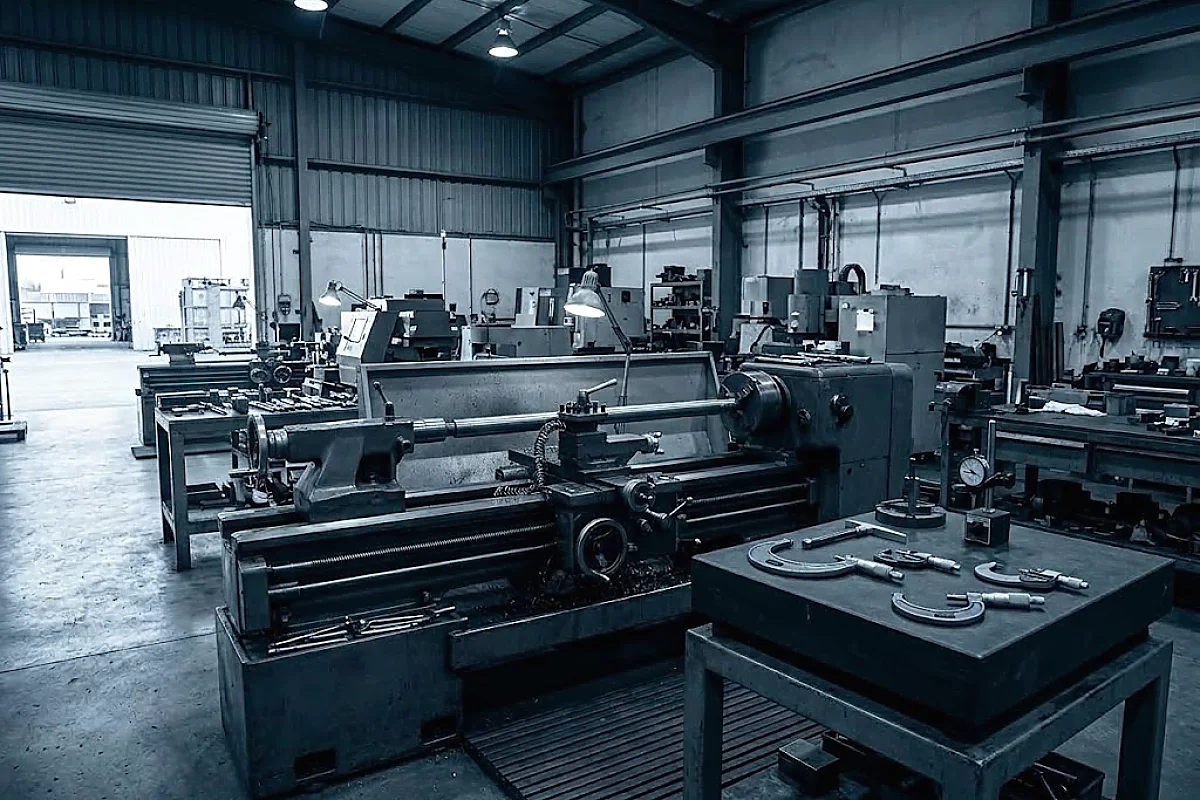
The machine shop is what makes the rest of our repair work possible. A pump with a scored shaft, a motor with a picked-up bearing housing, an engine component that measures just outside tolerance once it is stripped: each is a decision between recovering the part this week and waiting weeks for a replacement to clear customs. For a vessel with a sailing date or a plant on a shutdown window, that decision usually decides the schedule.
We turn, bore, sleeve and re-machine components to drawing or to the worn original, and manufacture replacement parts from measurement where no drawing exists and the item is no longer supplied. For obsolete components the part itself is the better reference: it is measured, the wear is read and allowed for, and the replacement is made to the fit the assembly actually needs rather than to a nominal dimension on a sheet nobody can find.
Work runs from a single bush or shaft through to complete mechanical overhauls, alongside motor rewinding, engine and pump overhaul and fabrication in the same workshop — which is why a component does not leave the scope to be sub-contracted and come back late.
Back to all services →In short
What is a machine shop used for in marine and industrial repair?
A machine shop makes and recovers the metal components a repair depends on — shafts, sleeves, bushes, wear rings, housings and bearing seats — turned, milled, bored or ground back to the original fit. It is what allows a worn part to be restored instead of a new assembly being imported.
Most machining requests arrive attached to another repair: a pump overhaul that needs a shaft sleeved, a motor whose bearing housing has picked up, an engine component that measures outside tolerance. Work is also taken on its own, including for other contractors.
Machining supports the rest of the workshop rather than standing apart from it — see about Best Anchor Marine Services.
In this section
Pump overhauling and repair
Pump work is the single largest source of machining requests — a scored shaft, a worn sleeve, wear rings that are no longer available. Pump overhauling and repair sets out how an overhaul runs, why pumps are sent in, and what to send us for a quotation.
Scope of work
Machining and mechanical work we take on
Most of what arrives is a repair rather than a production run, so the job starts with measurement and a decision about what can be saved.
Turning and boring
— lathe work on shafts, housings, sleeves, bushes and wear rings
Shaft repair
— sleeving, re-machining to seal and bearing seats, and hydraulic straightening
Seat and housing recovery
— worn bearing seats, seal faces and spigots brought back to fit
Keyways, threads and tapers
— recut or remade so the original coupling and fasteners still suit
Obsolete part manufacture
— from drawing, sample or measurement of the worn original
Component fitting
— machined to the assembly it returns to rather than to a nominal size
Rotating parts
— balanced after machining where the component turns
Complete overhauls
— from a single part through to a full mechanical rebuild and test
Turning & boring
Shaft sleeving
Straightening
Seal & bearing seats
Obsolete parts
Reverse engineering from sample
Balancing to 2.5 tons
When to call us
When machining is the faster route
These are the situations where recovering or remaking a component beats ordering one, and the questions we will ask about each.
The part is obsolete
— the maker has dropped the line, or the equipment is older than the catalogue
Lead time is longer than the shutdown
— the vessel sails or the plant restarts before the box arrives
A shaft is scored at the seal
— sleeving restores the running surface without replacing the whole shaft
A bearing housing has picked up
— bored and sleeved back to fit rather than scrapping the casing
One component is holding up a rebuild
— everything else is ready and waiting on a single item
The replacement no longer fits
— the assembly has been modified since, so a stock part will not go in
A part keeps failing in service
— worth measuring the mating parts before making another of the same
Only a sample survives
— no drawing, no part number, but the worn item is in your hand
How the work runs
From worn component to finished part
Where there is no drawing, the measurement stage decides the job — and it is worth taking the time there rather than discovering the fit is wrong at reassembly.
01
Measurement and assessment
The part is measured against tolerance and the wear pattern is read, which frequently explains what actually caused the failure in the first place.
02
Recover or remake
You get a recommendation on whether the component can be recovered by machining or is better remade, with the cost of each and what it means for the schedule.
03
Machining
Turning, boring, sleeving or manufacture is carried out to the agreed dimensions, allowing for the fit in the assembly it returns to rather than a nominal size.
04
Fitting, balancing and check
The component is checked against its mating parts, balanced where it rotates, and trial fitted before it goes back into the machine.
Applications
Where machine shop work comes from
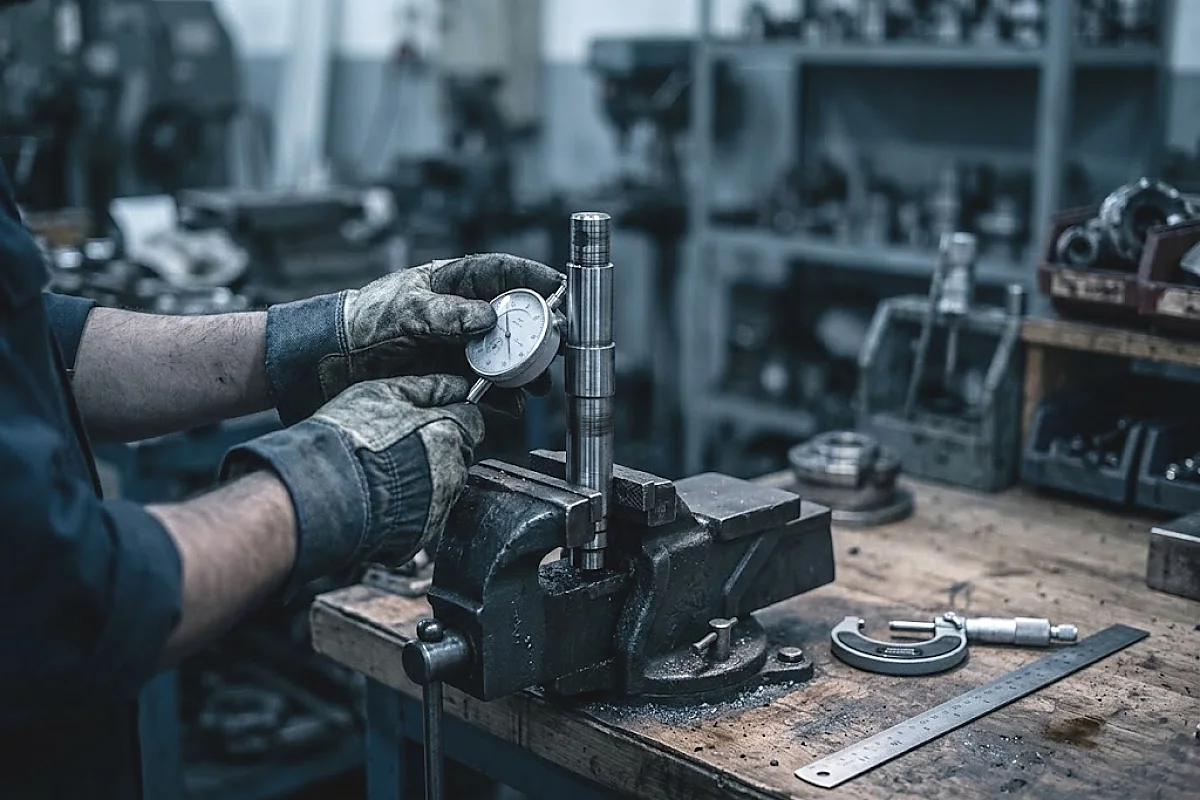
Most machining requests arrive attached to another repair rather than on their own: a pump overhaul that needs a shaft sleeved, a motor whose bearing housing has picked up, an engine component that measures outside tolerance once the unit is stripped. Because the machine shop sits alongside that work, the component stays inside the scope instead of being sub-contracted and coming back late.
Standalone machining is equally welcome, and it is often the enquiry that starts with "nobody makes this any more". Send a drawing, a photograph with dimensions marked, or the worn part itself, and we will confirm what can be made and what it costs.
Pump shafts, sleeves, wear rings and casing faces
Motor bearing housings, end shields and shaft extensions
Engine components recovered during overhaul
Obsolete parts for equipment no longer supported by its maker
Brackets, bushes, spacers and adapters for installed machinery
Ship owners & managers
Shipyards
Offshore support
Industrial plant
HVAC contractors
Water treatment
Maintenance contractors
Before you enquire
What to send with a machining enquiry
A drawing is ideal but not required. For obsolete components the worn part is usually the better reference, because it carries the fit the assembly actually has.
The part
— the worn original, wherever you can send it in
Or a drawing
— with tolerances and material where they matter to the fit
Or photographs
— with key dimensions marked against a rule or vernier
Assembly context
— what it fits into, what it runs against and how it is loaded
Quantity and timing
— one-off repair or a set of spares, and the date it is needed by
FAQs
Machine shop questions
Related services
Work that often runs alongside this
Machining usually supports a larger repair. These are the services it runs with most often.
Request a quote
No drawing? Send the worn part
We will tell you whether the component can be recovered or should be remade, what each costs, and when you would have it. Send what you have — even a photograph with a rule against it is enough to start.